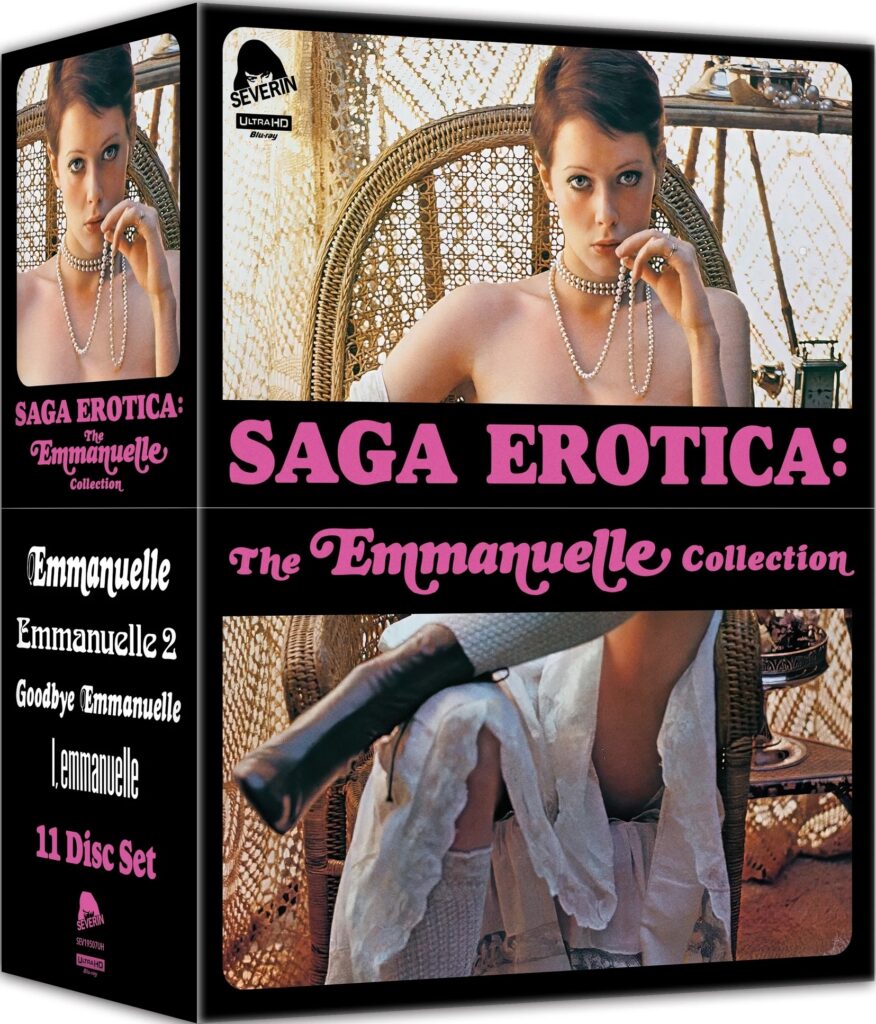
“X was never like this!” was the tag line for the 1974 softcore erotic box office phenomenon Emmanuelle, which is represented in a staggering 11-disc box set from Severin. The set contains the first three films in the sexy series, soundtracks, a small booklet chocked full of extraordinary essays, not to mention the rare 1969 Italian version based on the scandalous best seller by “Emmanuelle Arsan” (which was actually a pseudonym for husband and wife Marayat and Louis Jacques Rollet-Andriane).
The lovingly-assembled box set also pays tribute to the stunning beauty Sylvia Kristel, a Dutch model and actress who arrived at the audition for Emmanuelle in a sheer dress with thin straps, which, during the interview, accidentally slid off her shoulders leaving her topless. Her blase attitude during that moment instantly landed her the role. While she didn’t exactly resemble the character in the book, she embodied the right sense of sensual spirit for the film. As film historian Maitland McDonagh describes in her book, “The 50 Most Erotic Films of All Time,” Kristel was, “refreshingly uncenterfoldlike,” and her interpretation of Emmanuelle was, “a heroine with some apparent personality, intelligence, and purpose, however silly.”
It’s hard to explain what a sensation the first Emmanuelle film was at the time. When it opened in Paris in 1974 there were lines around the block, and what surprised producers were that there were many groups of women who went to see the film. There was a joke at the time about tourists visiting Paris- they first went to the Louvre, the Eiffel Tower and then to see Emmanuelle. One theater actually played the film for 13 years. It made a huge star out of Sylvia Kristel, which was a bit of a double-edged sword. While she was never embarrassed about being in the films, she could never quite shake the notoriety of being “Emmanuelle.”
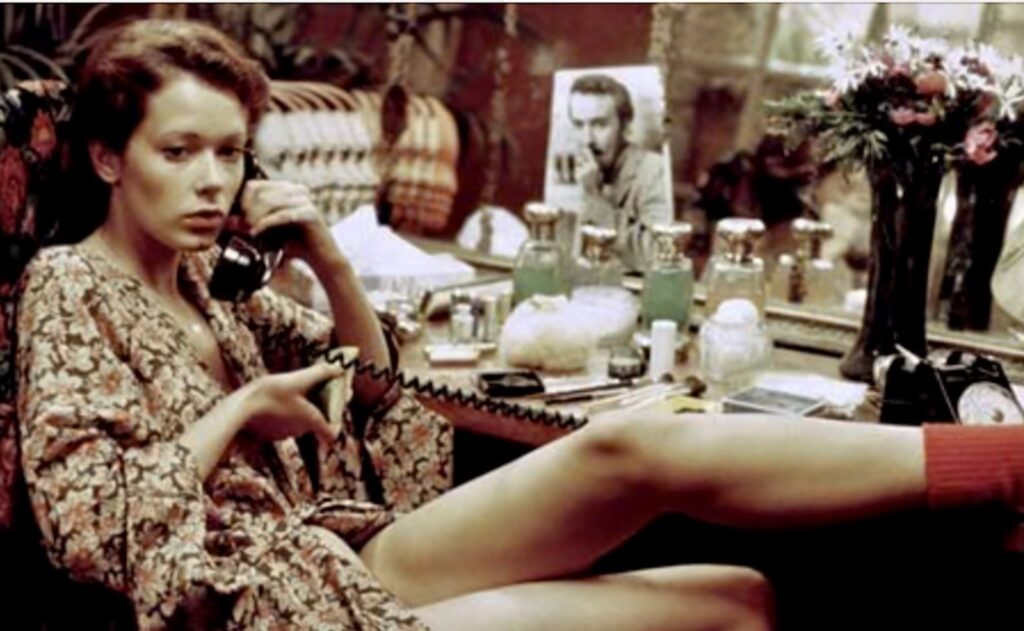
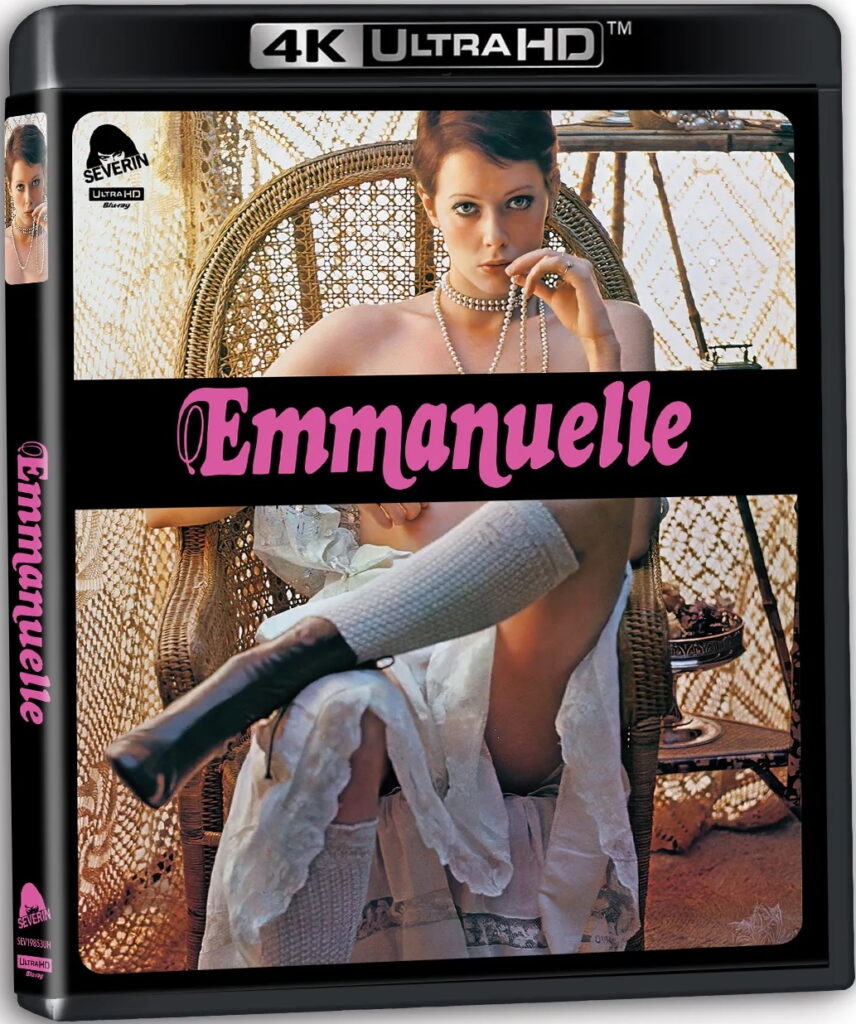
Emmanuelle was directed by Just Jaeckin, a French photographer and sculptor, who gave the film a rich, beautifully photographed framework to tell this story of the sexually free-wheeling Emmanuelle (Sylvia Kristel), the wife of a French architect Jean (Daniel Sarky), living in Bangkok and surrounding herself with like-minded hedonistic couples. Emmanuelle and Jean live an open marriage, having sex with multiple partners, and while Emmanuelle has no problems with that, she envies her young friend Marie-Ange (Christine Boisson) who is sexually active and completely uninhibited. They set Emmanuelle up with older, wealthy, decadent, Mario (Alain Cuny– the brooding intellectual from La Dolce Vita), who intends to break down Emmanuelle’s inhibitions (often in dangerous, appalling ways). Her intense sexual dalliance with a lesbian archeologist Bee (Marika Green) confuses her emotionally. While the sexual shenanigans aren’t explicit, the movie attempts to document the sexual freedom going on at the time, creating a kind of provocative philosophy behind the action of the characters. Unfortunately, the nasty turn the film takes at the end with Mario, who offers Emmanuelle up to a group of horny opium addicts, leaves a sour taste after watching the first hour of libidinous fun. Even Kristel balked at the rape scenes and refused to look like she was getting off during it.
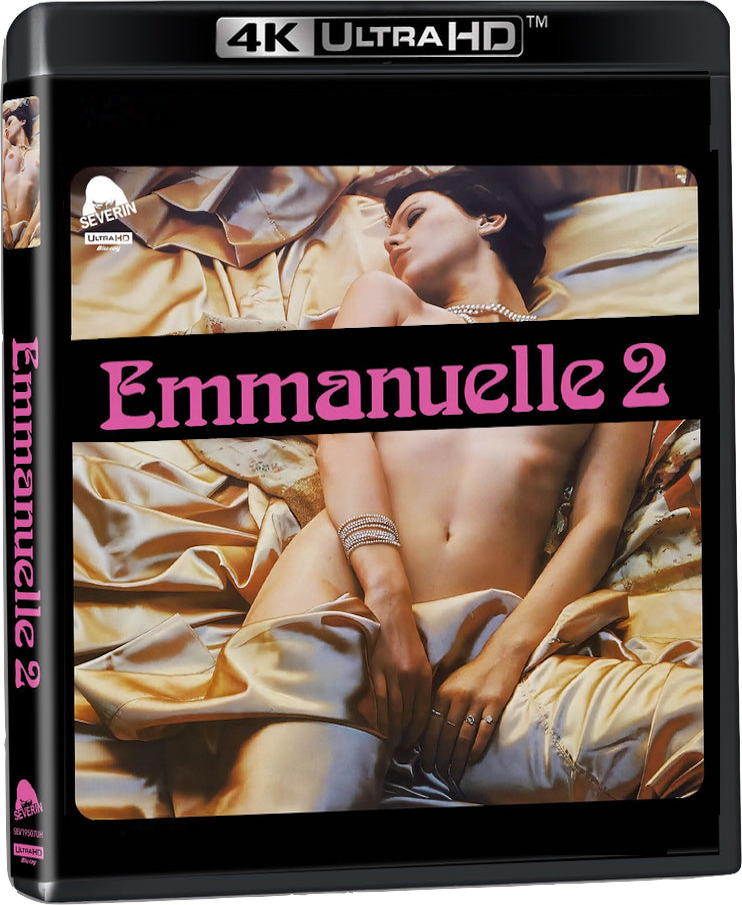
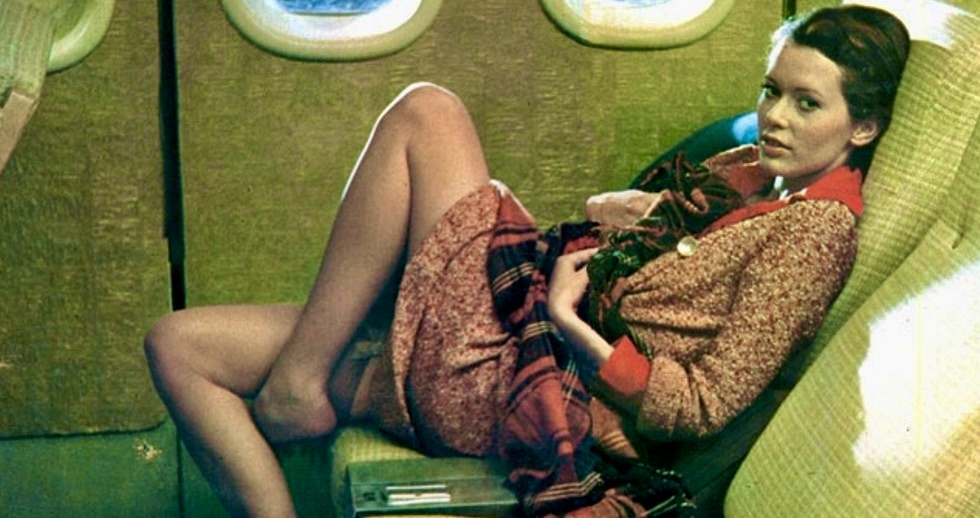
Emmanuelle 2: The Joys of a Woman (1975) was directed by Francis Giacobetti, a French photographer. Just Jaeckin had moved on, shooting the film version of The Story of O, and Giacobetti was recruited after photographing the famous picture of Kristel, half-nude in the wicker chair. According to Kristel, Giacobetti was miserable making the film. “Nothing is wrong if it feels right,” was the tag line for this film. It’s now set in Hong Kong, where Emmanuelle is still living with Jean (now played by Umberto Orsini), and much more relaxed with their sexual freedom. Orsini has a nice rapport with Kristel, and their companionship feels warm and genuine. Kristel admits that she got along great with Orsini. Emmanuelle is intrigued by the arrival of a handsome pilot Christopher (Frederic Lagache), who even sleeps with his plane’s propeller and has a passion for Asian girls. My favorite section of the film is when the pilot accompanies Emmanuelle while she has an acupuncture session and she has a full-blown sexual fantasy about Christopher during it. Kristel had longer hair in this film, and has a less innocent, more confident, attitude. The lovely score is by Oscar-winner Francis Lai (Love Story) and Sylvia Kristel sings the memorable theme song.
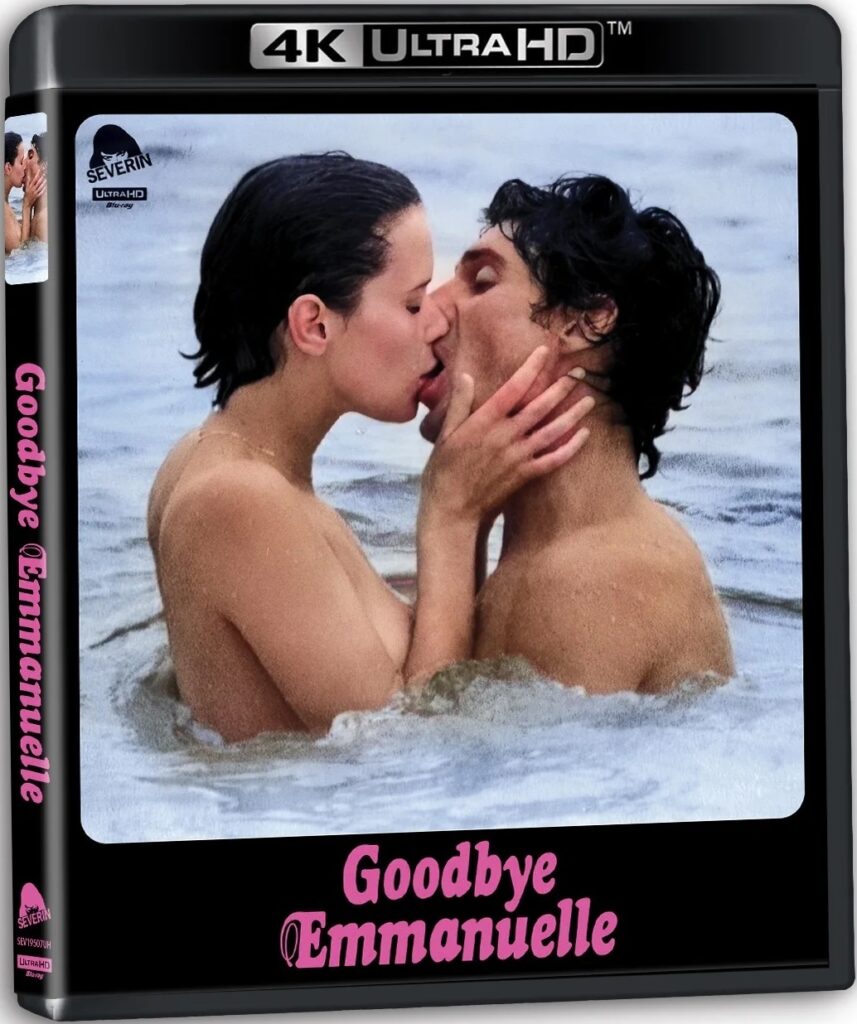
In Goodbye Emmanuelle (1977), set in the Seychelles in Africa, the blush has gone off the rose in Emmanuelle’s relationship with Jean (still played by Orsini). Jean still expounds on the couple’s sexual freedom but he shows how hypocritical he is when Emmanuelle begins to fall for a handsome director (Jean-Pierre Bouvier), there scouting film locations. His jealousy causes him to refuse to pass on messages from the director and even destroys letters from him in order to keep Emmanuelle by his side. The exotic locations are fabulous and Serge Gainsbourg composed the Reggae-fused theme song, with his beautiful partner Jane Birkin joining in on the vocals.
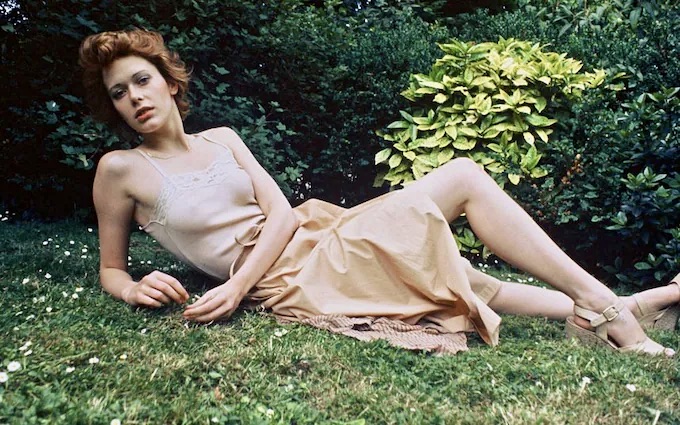
Sylvia Kristel had signed a three-picture deal when she made the first Emmanuelle, but she did return for Part 4 (not contained here), the character having plastic surgery only to emerge as a younger actress playing the role. There was a multitude of Emmanuelle rip-offs after that, including the outrageous Black Emmanuelle series starring the gorgeous, raven-haired, Indonesian/Dutch, Laura Gemser (who pops up here in Emmanuelle 2 as a sexy, nude masseuse).
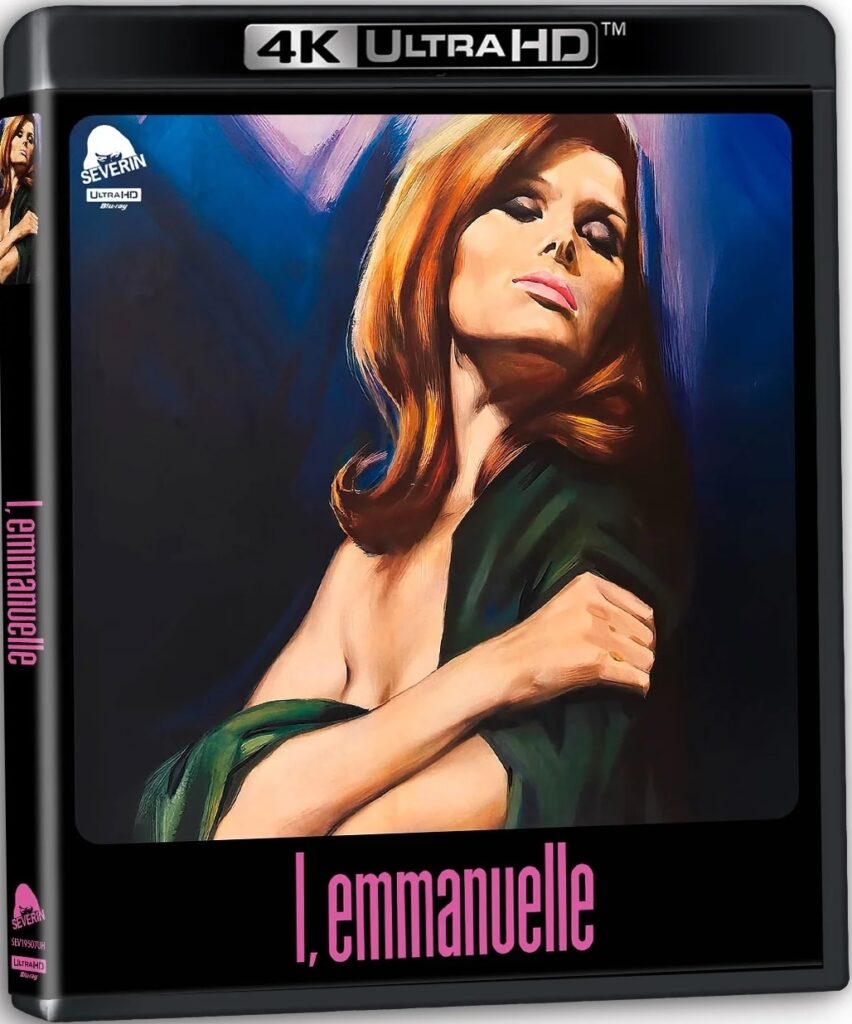
The fourth film in this amazing set is the rarely seen I, Emmanuelle (1969), the actual first outing vaguely based on the controversial French best seller. It stars the beautiful, haunted-looking Italian cult star Erika Blanc (The Night Evelyn Came Out of the Grave) as Emmanuelle, a reporter who wanders through the film in a suicidal haze, sleeping with a series of awful men, none who satisfy her or snap her out of her depression. Adolfo Celi (Thunderball) plays her newsman boss and Paolo Ferrari plays a whacked out, wig-wearing motorcycle enthusiast Emmanuelle is also sleeping with. It is the damnedest film, and you have to watch the introduction on the disc by Kier-La Janisse (author of House of Psychotic Woman), who hilarious shares her appreciation for the film.
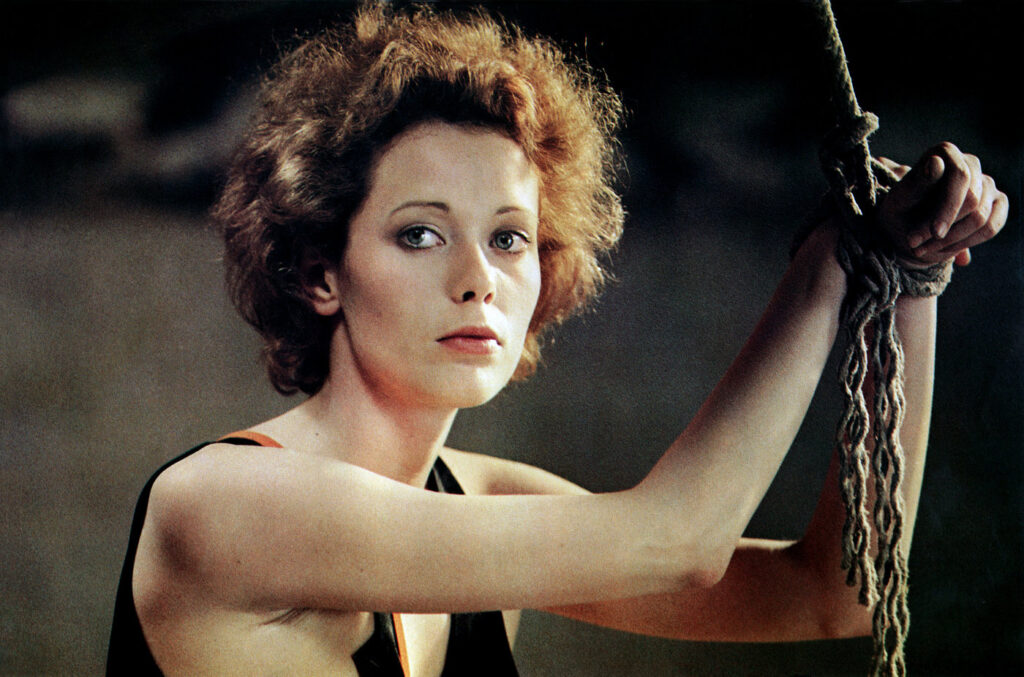
Now the 4K UHD restorations of the films are extraordinary, and the extras including archival interviews with Just Jaeckin and Sylvia Kristel are utterly delightful, funny and insightful. One of the more touching extras is with the author Jeremy Richey (Sylvia Kristel- From Emmanuelle To Chabrol), who relates how, after making the Emmanuelle films, Kristel was approached by many foreign directors to work with them. She made films with Roger Vadim (Une Femme Fidele) and Claude Chabrol (Alice or The Last Escapade). Kristel worked with Alain Robbe-Grillet on Playing with Fire (1975). She made the extraordinary La Marge (1976) for director Walerian Borowczyk, co-starring Joe Dallesandro. Francois Truffaut seriously considered her for the lead in The Story of Adele H, and she turned down the lead in Ingmar Bergman’s The Serpent’s Egg (mostly from her fear of inadequacy). Sergio Leone desperately wanted her for Once Upon a Time in America but the producers balked at the idea of having “Emmanuelle” in the film. That was the problem. The stigma of that really hurt her chances for serious films. A tumultuous relationship with actor Ian McShane caused Kristel to follow him to Hollywood. She landed film work there, but in crap like The Concorde…Airport 1979, and she was constantly disrespected by the press, who didn’t take her seriously at all. Luckily Kristel found creative satisfaction through art, and in fascinating interviews on the discs in this box set she doesn’t look back bitterly on her career at all. A rabid smoker for many years she contracted throat cancer in 2011 and even after grueling chemotherapy and surgery the cancer spread to her lungs. She suffered a stroke in 2012 and died in her sleep at age 60. But watching her in these Emmanuelle films is to be once again seduced by her charm, her beauty, her intelligence and her rebellious sensual spirit. She was a true original.
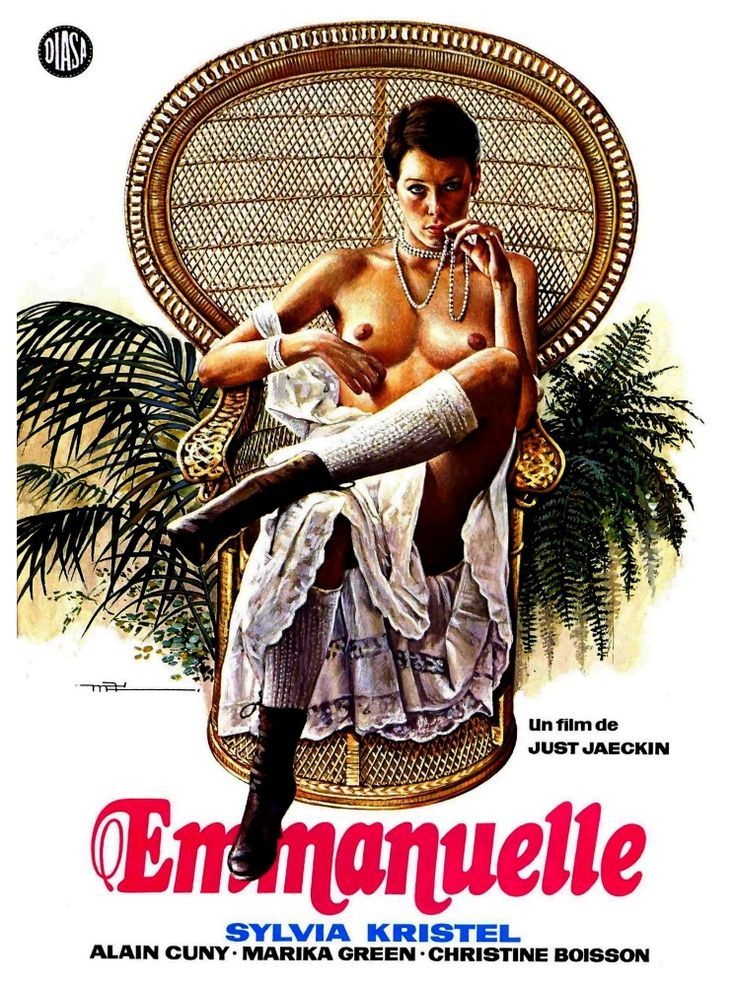
How can anyone forget the groundbreaking eroticism of ther first film? And thanks to Severin for restoring them. Viva Emanuelle!.