Hallelujah, more gothic horror treats from Severin, in this invaluable collection of weird rarities from Spain. 4 creepy offerings which include Leon Klimovsky’s The Dracula Saga (1973), Strange Voyage (1964), Exorcism’s Daughter (1971) and Eloy de la Iglesia’s reimagining of Henry James’ The Turn of the Screw (1985).
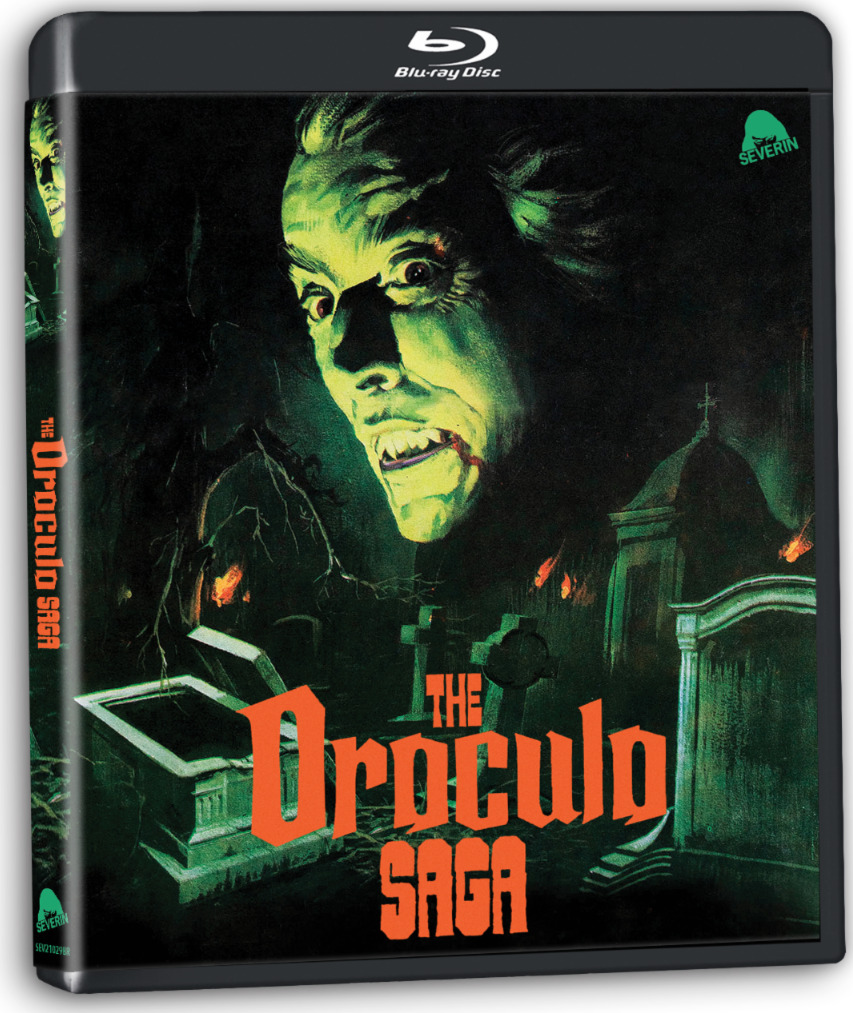
The Dracula Saga (1973) From director Leon Klimovsky, who worked with legendary Spanish horror star Paul Naschy on several films- Vengeance of the Zombies (1973), The Werewolf Vs. the Vampire Woman (1971), etc. Klimovsky directed a vampire trilogy in the 70s starting with the terrific Vampire’s Night Orgy (1973), The Dracula Saga (1973) and Strange Love of the Vampires (1975). The Dracula Saga is a period piece, much like the Hammer series of films, staring Tina Sainz as Berta, pregnant with her first child, traveling through Transylvania with her handsome blonde husband Hans (Tony Isbert/The House Without Frontiers) to the castle of her uncle, the Count (Narcisco Ibanez Menta). Along the road, they find a wounded woman with bite marks on her neck and breast and bring her back to the village to be attended to. When they reach the castle, it seems uninhabited, and, as they unpack in their room, they discover the mirrors have been taken down and hidden in the closet. By evening her family appears- the Count, his attractive, younger wife Munia (Helga Line/Horror Express), and her cousins Irina (Cristina Suriani) and Xenia (Maria Kosty/ Vengeance of the Zombies). The Count is thrilled that Berta is carrying the offspring and heir to the Draculas, who the Count admits, “are pale, melancholic, misanthropic.” Hans is seduced by lovely Munia and bitten on the neck, and Berta slowly loses her mind, or, as is explained to the doctor that attends to her, “her infirmity is in the brain.” This builds to a wild, gory ending with Berta heading to the crypt, carrying a big axe, to where her vampire family rest in their coffins. Extras include expert audio commentary; an appreciation of “Klimovsky’s Vampires” by Sitges Film Festival programmer Angel Sala; and a video essay by Kat Ellinger: “Blood, Tradition and the Gothic in The Dracula Saga.”
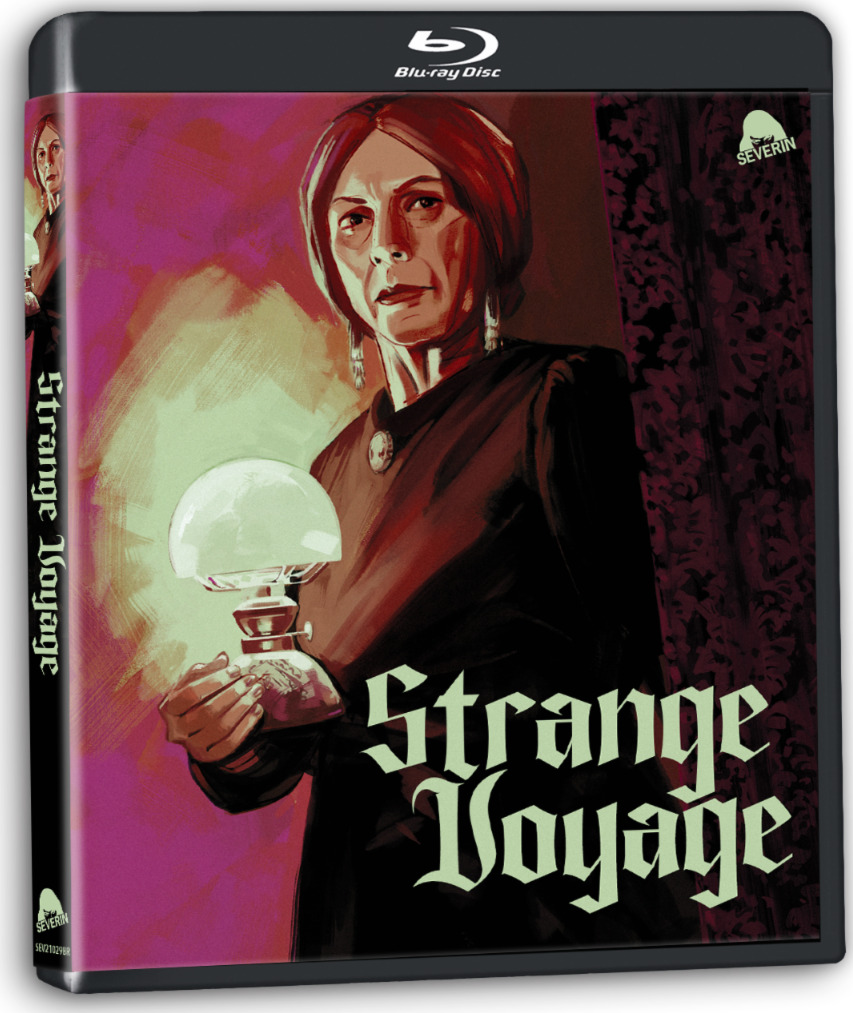
Strange Voyage (1964) The operative word is “strange” to describe this black & white dark comedy directed by Fernando Fernan Gomez. A small rural village in Spain is representative of the constrictive, Catholic stranglehold of Francisco Franco. Villagers gossip about the sexy women in the town. A conservative shop owner whines about the theft of a corset. A member of the band that plays in town lies to his girlfriend about a crippled brother to hold off marriage. And the steely matriarch Ignacia (Tota Alba), who townspeople agree that “she’s been grumpy all her life,” lives with her cowering siblings- perpetually nervous Paquita (Rafaela Vidal) and her timid, stamp collector brother Venancio (Jess Franco)- who she treats like servants. The house is cluttered with old furniture and cats, the lights are constantly going off which plunge the corridors into gloomy, spooky, shadowy hallways. Paquita and Venancio are living in terror that Ignacia is selling the house and dumping them somewhere, which leads to an accidental murder and macabre cover-up. Jess Franco, the prolific director, is wry and quite humorous as Venancio in this Spanish gothic treat. Extras include the director’s granddaughter Helena de Lianos on the legacy of her grandfather, plus a video essay on the film, “Promise of Broken Dreams.”
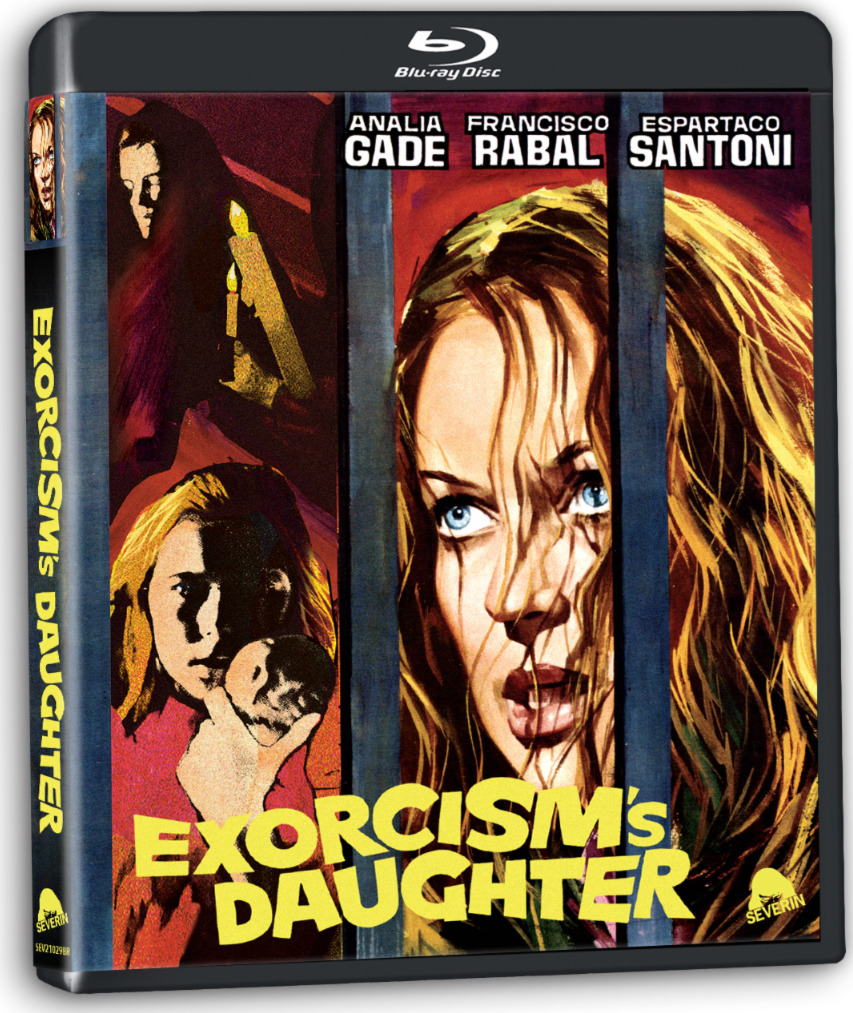
Exorcism’s Daughter (1971) Basically, a Spanish version of The Snake Pit, this unsettling film is directed by Rafael Moreno Alba. Set in the 19th century, a new doctor (Espartaco Santoni) attempts to bring new methods and science into an asylum for women which is a hellhole, brutally ruled over by a sadistic guard (scary Francisco Rabel). The doctor targets a patient- Tania (excellent Analia Gade), attempting to uncover the core of her mania, eventually finding out (through hypnosis) that as a child she watched her mother die during a medieval home exorcism. The doctor’s methods come under attack from the Board of Directors and townspeople, which eventually dooms the doctor (and his patients). There are two versions included- the uncut Spanish version, which is longer, and the more salacious US version (under the title The House of Insane Women). The US version shuffles scenes and includes more nudity during a segment where the guard pimps out the women to a local for the price of a silver coin. The Spanish version is provocative but also has much to say about repression and the diabolical treatment of women with mental issues. The disc includes audio commentary, an appreciation of the film by Angel Sala of the Sitges Film Festival and an enlightening video essay by Kat Ellinger “Madwoman in the attic: Exorcism’s Daughter and the Female Gothic.”
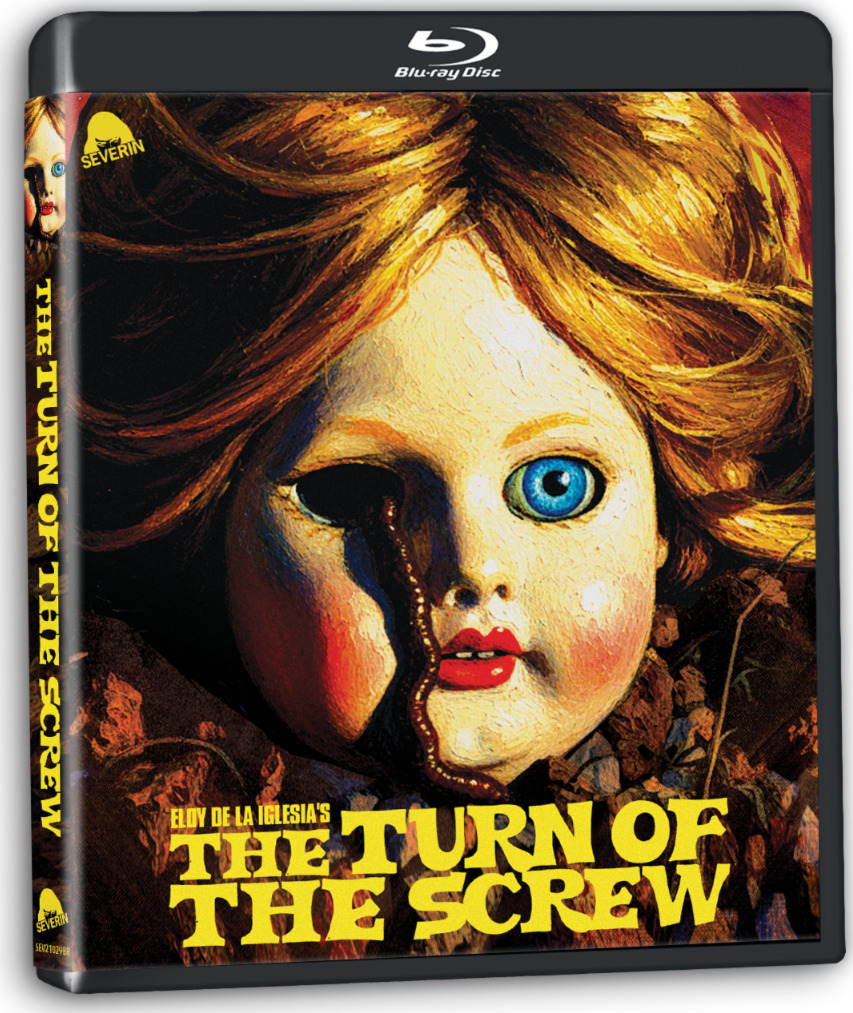
The Turn of the Screw (1985) Now comes the jewel of the box set- Eloy de la Iglesia’s subversive take on Henry James’ The Turn of the Screw. Iglesia was celebrated for edgier, politically confrontational fare like The Deputy, Cannibal Man and his wildly popular “Quinqui” series about urban delinquents and drug use. Here, because of the Miro law, he was able to get a state subsidy from the Ministry of Culture to finance his version of the Henry James novella. He flips the gender of the book’s protagonist to a male Jesuit seminary student named Roberto (mesmerizingly played by Pedro Mari Sanchez). Roberto leaves the order after discovering “the study of theology filled me with unease.” He is offered a job by a Duke to care for his niece and nephew at his seaside mansion, but to never bother him about the children. Roberto arrives to supervise the education of the children- Mikel (Asier Hernandez) and Flora (Cristina Goyanes) but begins to believe they are unduly influenced by the diabolical spirits of their late governess (who committed suicide) and the unwholesome apparition of her dead lover. Could it be all in his own disturbed mind? Iglesia makes the pious, uptight Roberto a seething mass of repressed homosexual desire, especially towards the young Mikel, which adds another perverse dimension to the material. Beautifully shot and acted, the film was met with critical disdain, some who begged Iglesia to go back making his gritty urban shockers rather than an upscale adaptation of a classic novel. But they missed the point. In fact, the film feels even more transgressive in many ways. The extras include two wonderful interviews with the actors who played Mikel (Asier Hernandez) and Flora (Cristina Goyanes) today, who talk about how gentle and protective Iglesia was to them when they filmed. There is also a video essay by Xavier Aldana Reyes, “Head Full of Phantoms,” and an appreciation of the film by Angel Sala. While Jack Clayton’s The Innocents is still a moody, brilliant, atmospheric film adaptation of the James novella, this version will haunt your dreams.
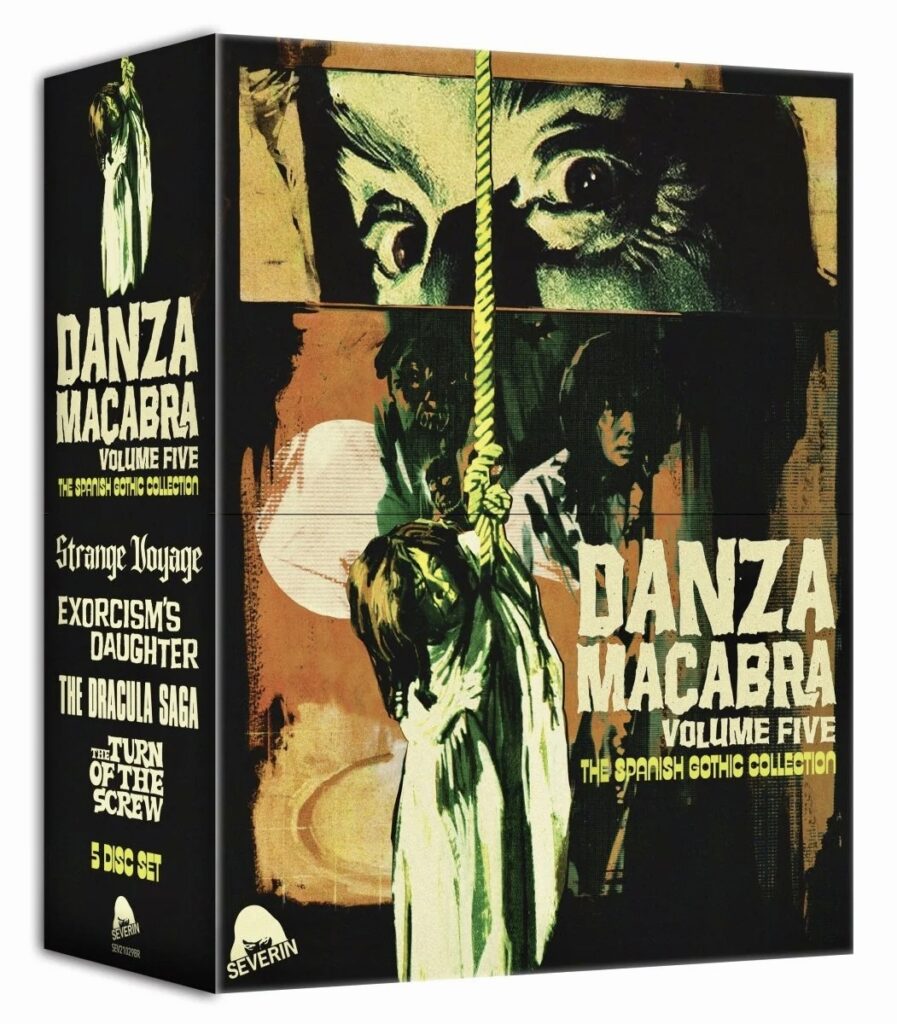
Danza Macabra–what fabulous thrillers you have introduced with this one